

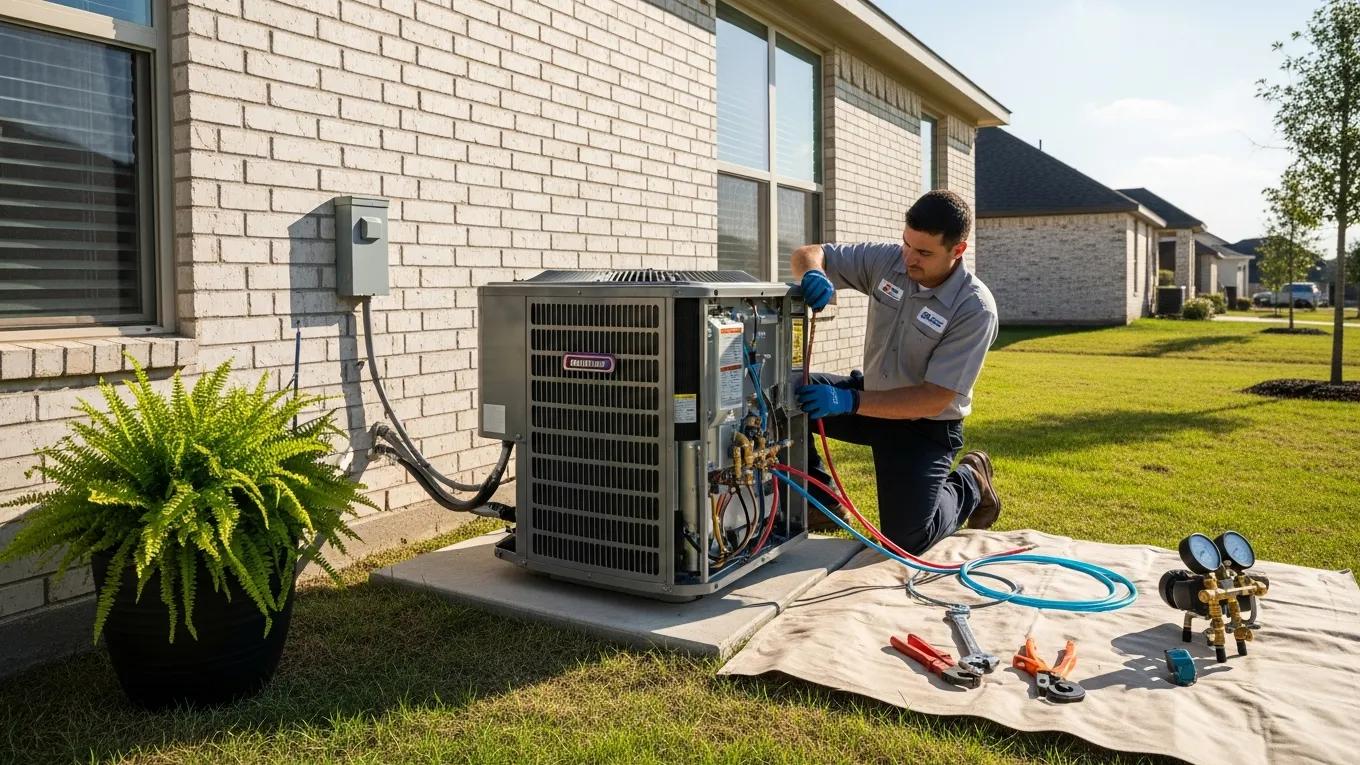
AC Installation Gainesville, TX: Expert New System Solutions for Energy Efficiency and Comfort
Demand for efficient air conditioning in Gainesville, TX is growing due to comfort and energy concerns. At Affordable Heat & Air, we understand these needs and provide expert AC installation services. This article examines AC installation, including indicators that a replacement is needed, advantages of energy-efficient models, and the installation process. Homeowners with aging systems commonly face higher energy bills and reduced comfort. Understanding inefficiency indicators and modern system benefits supports informed HVAC decisions. We cover signs of replacement, benefits of efficient air conditioners, and maintenance practices to preserve performance.
Local climate patterns, installation quality, and how a system is maintained all influence the real-world performance of an air conditioner. For Gainesville, TX residents, selecting the right equipment and ensuring a professional installation help balance upfront cost with ongoing operating expenses. We write this guide to help homeowners and property managers make practical decisions without technical jargon; where technical terms are used they are briefly defined to aid understanding.
What Are the Signs You Need AC Replacement in Gainesville, TX?
Timely replacement preserves home comfort and reduces operating costs. Several indicators may show that your air conditioning system requires replacement.
- Inability to Cool Effectively: If your unit struggles to maintain a comfortable temperature, it may be time for a replacement. This often results in uneven cooling and discomfort in your home.
- Frequent Breakdowns: Regular repairs can indicate that your system is nearing the end of its lifespan. Frequent service calls can add up in cost and inconvenience.
- Rising Energy Bills: An unexpected increase in energy costs can signal that your AC unit is working harder than it should. This inefficiency can strain your budget over time.
Addressing these issues promptly can prevent further discomfort and higher expenses.
Beyond those core signs, there are additional practical indicators to consider before deciding to repair or replace:
- Uneven Cooling: If some rooms remain warm while others are cool despite balancing vents or dampers, the system may no longer provide adequate capacity or may be experiencing ductwork or airflow problems. This can lead to inconsistent comfort throughout your home.
- Excessive Noise: Rattling, grinding, or loud compressor sounds can indicate mechanical wear. Older compressors and motors become noisy and are more likely to fail suddenly, which can disrupt your comfort.
- Humidity Problems: If humidity inside the home remains high even when cooling runs, the system may be losing dehumidification capability — a common consequence of aging equipment or incorrect sizing. High humidity can affect indoor air quality and comfort.
- Safety Concerns: Corroded lines, leaking refrigerant, or electrical faults are risks that may warrant replacement rather than repeated repairs for safety and reliability. Addressing these issues promptly protects your home and family.
When you see multiple indicators at once — for example high energy bills, frequent repairs, and poor humidity control — replacement often becomes the most cost-effective option. Our qualified HVAC technicians at Affordable Heat & Air can provide an assessment describing expected remaining life and projected operating costs for repair versus replacement.
How to Recognize Inefficient or Failing Air Conditioning Units
Detecting a failing or inefficient unit early reduces repair costs and preserves comfort. Key signs to monitor include age, repair frequency, and uneven cooling.
- Age of the Unit: Most air conditioning systems last about 10-15 years. If yours is older, it may be time to consider a replacement. Older units often lack modern efficiency features.
- Frequent Repairs: If you find yourself calling for repairs multiple times a year, it may be more cost-effective to replace the unit. Repeated fixes can add up and may not restore full performance.
- Inefficient Cooling: If certain rooms are warmer than others, your system may not be functioning properly. This can be due to failing components or improper sizing.
Early recognition of these signs helps avoid more serious failures and unexpected costs.
Practical steps to assess unit condition:
- Review past repair records: A pattern of small but recurring repairs (capacitors, contactors, fan motors) often precedes a larger failure. Track what was repaired and the elapsed time between service calls to identify trends.
- Check energy use trends: Compare seasonal electric bills year over year. Gradual increases can reflect declining efficiency, while sudden jumps often indicate a specific fault that needs attention.
- Monitor run cycles: Short cycling — where the system turns on and off frequently — reduces efficiency and increases wear. Long continuous runs can indicate undersizing or refrigerant issues. Either condition should prompt professional evaluation by our technicians.
When evaluating failure risk, weigh the estimated remaining useful life, the cost and frequency of repairs, and how important reliable cooling is for your household, especially during Gainesville, TX’s warm months.
What Are the Benefits of Installing Energy-Efficient Air Conditioners in Gainesville, TX?
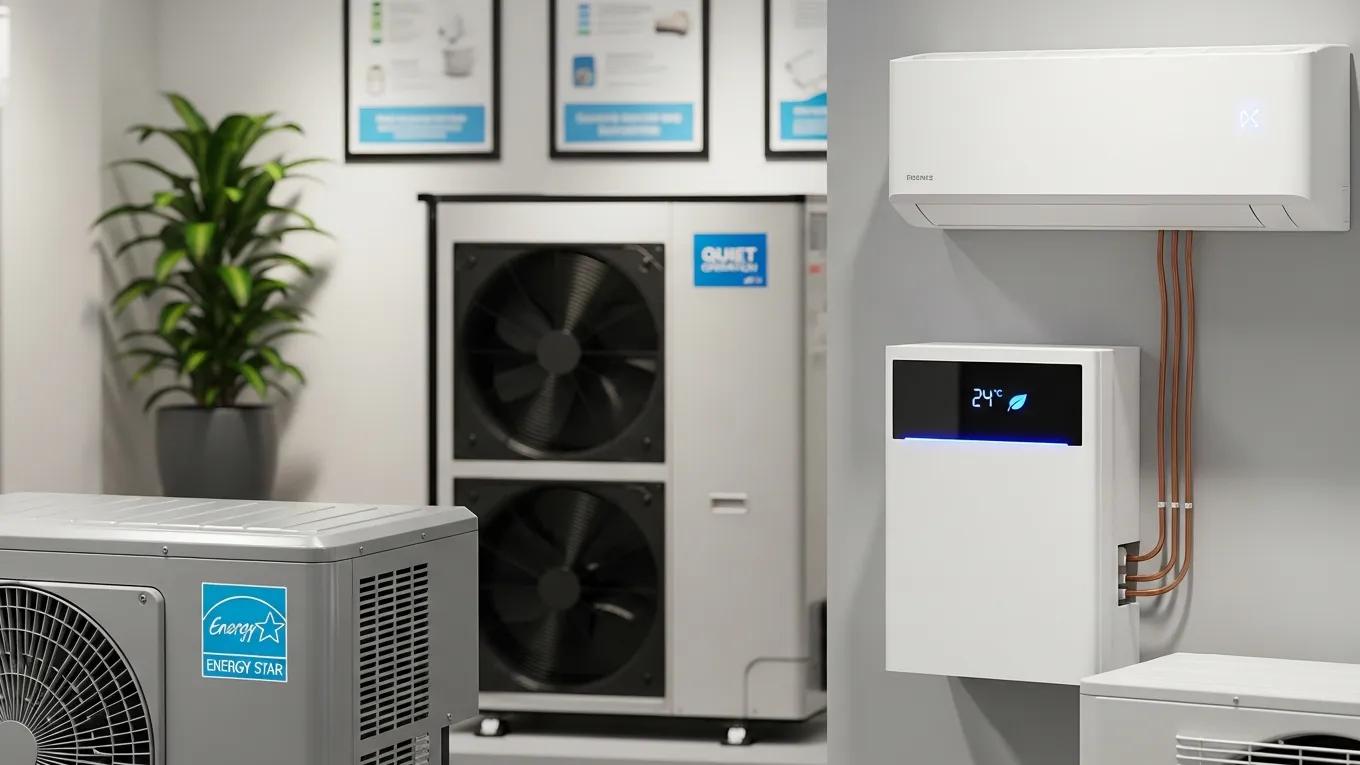
Energy-efficient air conditioners provide measurable benefits for comfort, operating costs, and environmental impact. At Affordable Heat & Air, we recommend these systems to our clients for their long-term advantages.
- Cost Savings: Energy-efficient models consume less electricity, leading to lower utility bills. Over time, these savings can offset the initial investment in higher-efficiency equipment.
- Environmental Impact: By using less energy, these systems contribute to reduced greenhouse gas emissions. Choosing efficient equipment supports sustainability goals.
- Improved Comfort Levels: Modern systems provide better temperature control and humidity management, enhancing overall comfort. Advanced features also reduce noise and improve air quality.
These advantages make energy-efficient systems a prudent choice for homeowners seeking improved comfort and lower operating expenses.
When replacing an older unit, the incremental cost of a higher-efficiency model is often offset by reduced monthly operating costs. Efficiency gains also usually come with improved components — quieter compressors, better coil coatings, and improved fan designs — that increase reliability and occupant comfort.
Energy-Efficient Models Available for Residential and Commercial Use
Several energy-efficient models are available to meet different property requirements. The most common options address factors such as home size, existing ductwork, and heating needs.
- Central Air Conditioning Systems: Ideal for larger homes, these systems provide comprehensive cooling. They integrate well with existing ductwork and offer consistent temperature control throughout the home.
- Ductless Mini-Split Systems: Perfect for homes without ductwork, offering flexibility and efficiency. These systems allow for zoning and can be installed in individual rooms or additions.
- Heat Pumps: These systems can both heat and cool your home, making them versatile and energy-efficient. Heat pumps are especially beneficial in moderate climates and can reduce the need for separate heating equipment.
Selecting the appropriate model will affect both energy consumption and occupant comfort.
Decision factors to consider when choosing a model:
- Existing ductwork: If ducts are present and in good condition, a central system is often cost-effective. If ducts are leaky or nonexistent, a ductless option may be preferable to avoid energy loss.
- Home layout and zoning: Multi-zone setups allow different areas to be conditioned independently, which can increase comfort and reduce waste in partially occupied homes. This flexibility can also help manage energy use more effectively.
- Long-term plans: If you plan renovations or additions, consider a flexible system or one that can be adapted to future changes without major expense. Our team at Affordable Heat & Air can help you evaluate these options.
How New AC Systems Reduce Energy Bills and Environmental Impact
Contemporary air conditioning systems incorporate technologies and design improvements that increase energy efficiency and performance.
- Improved Energy Efficiency: Modern units often have higher SEER (Seasonal Energy Efficiency Ratio) ratings, indicating better performance. Higher SEER ratings translate to lower energy consumption for the same cooling output.
- Proper Sizing: Ensuring your system is correctly sized for your home can prevent overworking and energy waste. Oversized units cycle on and off frequently, while undersized units run continuously without adequately cooling.
- Regular Maintenance: New systems often come with warranties that encourage regular maintenance, further enhancing efficiency. Scheduled tune-ups help maintain optimal performance and extend system life.
Investing in a replacement system can produce measurable energy savings and reduce environmental impact for homeowners.
Other efficiency-related improvements to look for include:
- Variable-speed compressors and fans: These adjust output to match demand rather than operating only at full speed, reducing energy use and improving comfort. This technology also reduces wear and tear on components.
- Improved coil materials and coatings: Reduce corrosion and maintain heat transfer efficiency over time. This helps sustain system performance and reliability.
- Enhanced controls and thermostats: Programmable or smart thermostats improve system scheduling and reduce unnecessary runtime. They allow homeowners to optimize comfort and energy use remotely.
Combining an efficient system with thermostat setpoint strategies, attic insulation, and duct sealing provides the best results in lowering energy bills while improving comfort in Gainesville, TX homes.
How Does Our Expert AC Installation Process in Gainesville, TX Ensure Quality and Reliability?
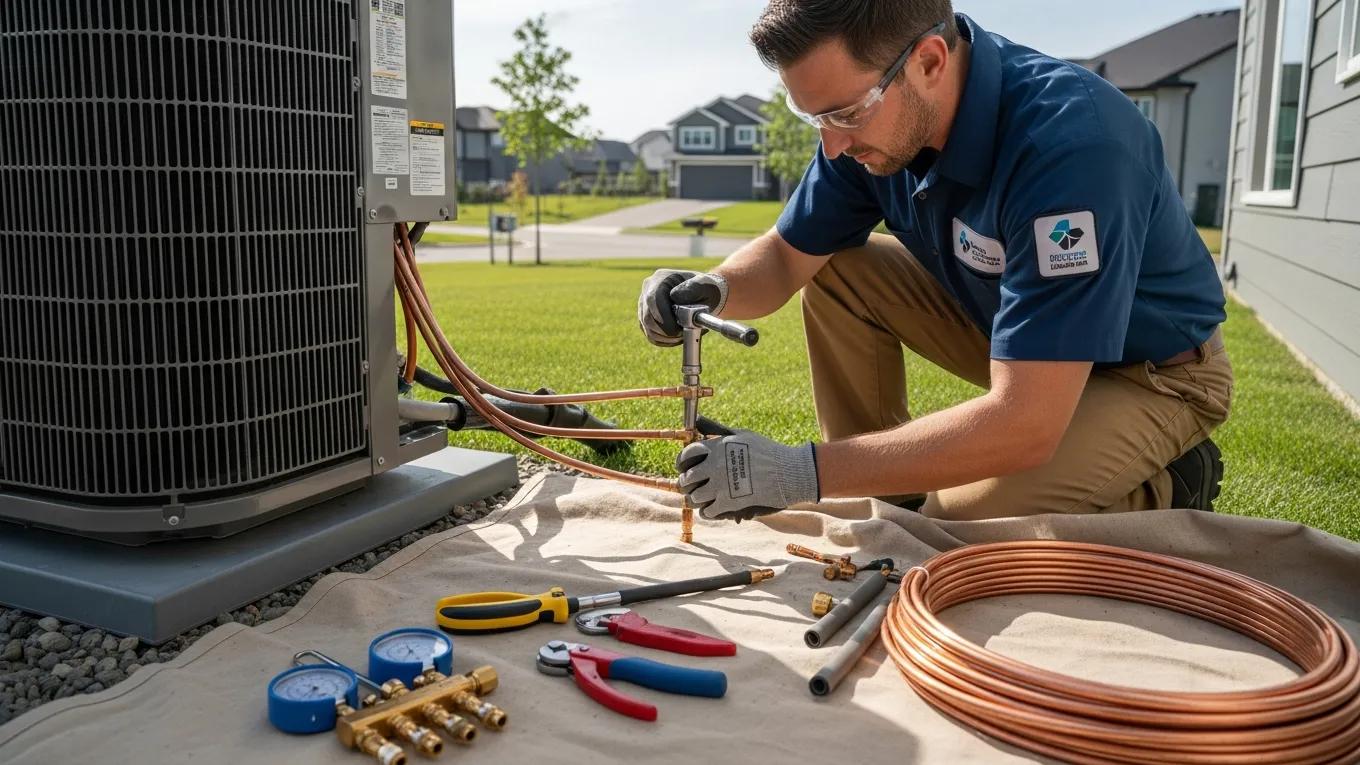
At Affordable Heat & Air, we apply a structured installation process intended to deliver consistent quality and reliable operation.
- Comprehensive Evaluation: We assess your home’s specific cooling needs to recommend the best system. This includes reviewing insulation, window exposure, and occupancy patterns.
- Customized Solutions: Our team tailors the installation process to fit your unique requirements. We consider factors such as zoning and supplemental equipment to optimize comfort.
- Professional Installation: Our experienced technicians ensure that your new system is installed correctly for optimal performance. We document all work and provide a checklist for your reference.
This thorough approach ensures that your new air conditioning system will operate efficiently and effectively.
What Qualifications Do Our HVAC Technicians Hold?
Our HVAC technicians meet required qualifications to perform AC installations safely and competently.
- Certifications and Licensing: All our technicians are certified and licensed to perform HVAC work. This ensures compliance with industry standards and local regulations.
- Training and Experience: Our team undergoes continuous training to stay updated on the latest technologies and practices. This commitment helps us deliver high-quality service.
- Commitment to Quality: We prioritize quality in every installation, ensuring customer satisfaction. Our technicians follow established safety procedures and best practices.
These qualifications ensure that your installation is handled by competent professionals. We also carry liability insurance and provide clear, written warranties for workmanship.
What Steps Are Involved in Professional AC Installation?
Professional AC installation follows a defined sequence of steps to secure a correct and reliable setup.
- Comprehensive Evaluation: We begin with an assessment of your home to determine the best system for your needs. This step sets the foundation for a successful installation.
- Customized Solutions: Based on the evaluation, we provide tailored recommendations for your new system. We discuss options and help you select the best fit.
- Expert Installation: Our technicians carry out the installation with precision, ensuring all components are correctly set up. We follow manufacturer guidelines and industry standards.
Adhering to these steps helps ensure your new air conditioning system operates as intended and maintains efficiency.
A more detailed breakdown of the installation sequence:
- Pre-installation planning: Confirm access, electrical service capacity, and any necessary permits. Proper planning avoids delays and unexpected issues.
- Removal of existing equipment: Safely recover refrigerant, disconnect electrical service, and remove old equipment without damaging the property. We handle this process with care and professionalism.
- System placement and mounting: Position outdoor units on a stable pad, route refrigerant lines and condensate drains properly, and seal penetrations to prevent air and pest entry. Proper placement supports system longevity.
- Electrical and control connections: Verify correct voltage and circuit protection; install or program thermostats and controls. This ensures safe and efficient operation.
- Start-up and commissioning: Evacuate and charge refrigerant to manufacturer specifications, verify airflow and temperatures, and demonstrate operation to the homeowner. We make sure you understand system functions.
- Final inspection and documentation: Provide a start-up report, warranty registration, and a maintenance schedule. This documentation supports future service and warranty claims.
Proper commissioning is essential. It ensures refrigerant charge, airflow, and control settings are all optimized for the home, which directly affects efficiency and longevity.
What Financing and Cost Options Are Available for AC Installation in Gainesville, TX?
Awareness of financing and cost factors helps you choose an installation option that aligns with your budget and goals. At Affordable Heat & Air, we work with you to find the best solution.
- System Size and Type: The cost of installation varies based on the size and type of system you choose. Larger or more complex systems generally require a higher investment.
- Installation Complexity: More complex installations may incur additional costs. Factors include ductwork modifications, electrical upgrades, and site accessibility.
- Energy Efficiency: Investing in energy-efficient models may have a higher upfront cost but can lead to long-term savings. We help you evaluate these trade-offs.
Reviewing these considerations will help you identify options that fit your financial plan.
Common financing and cost approaches include:
- Upfront purchase: Paying in full avoids finance charges and simplifies ownership. This option may be preferable for those who plan to stay in their home long term and want to avoid ongoing payments.
- Financing plans: Many companies offer installment plans or partnerships with lenders that allow spreading cost over months or years. We can guide you through available options and terms.
- Manufacturer promotions: Occasionally manufacturers or installers run promotions that reduce initial cost or include extended warranty coverage. We keep you informed about current offers and verify terms in writing.
- Utility-program incentives: Some utilities offer incentives for high-efficiency equipment. While incentive availability varies, we help you explore potential savings during your consultation.
When comparing quotes, confirm whether the price includes necessary components such as new thermostats, line sets, pads, duct repairs, and any required electrical upgrades. A lower initial quote may omit important items that increase total cost once work begins. We provide transparent estimates to avoid surprises.
How Can You Maintain Your New AC System for Optimal Performance?
Consistent maintenance is necessary to keep your new AC system operating at peak efficiency. We recommend the following practices to our clients.
- Regular Professional Maintenance: Schedule annual check-ups with a qualified technician to keep your system in top shape. These visits help identify and address issues early.
- Change Filters Regularly: Replacing air filters every 1-3 months can improve airflow and efficiency. Clean filters also enhance indoor air quality.
- Keep the Area Clear: Ensure that the outdoor unit is free from debris to maintain proper airflow. Clear a two-foot perimeter around the unit for optimal performance.
Following these maintenance practices can extend system lifespan and maintain reliable performance.
Practical maintenance checklist items to follow between professional visits:
- Monthly filter checks: Replace or clean filters based on type and household conditions (pets, dust, occupancy). This simple step prevents strain on your system.
- Seasonal visual inspection: Look for leaves, grass growth, or debris around the outdoor unit; clear a two-foot perimeter for airflow. Keeping the area tidy supports efficient operation.
- Thermostat settings: Use preset schedules to avoid unnecessary runtime and to reduce abrupt temperature swings that stress equipment. Smart thermostats can automate this process.
- Condensate drain maintenance: Ensure drains are unobstructed to prevent water damage and microbial growth. Regular checks help avoid costly repairs.
- Duct sealing: For ducted systems, inspect for visible gaps at connections and have ducts tested and sealed when needed to reduce energy loss. Proper sealing improves comfort and efficiency.
Document maintenance activities and keep service receipts; proper records support warranty claims and help technicians troubleshoot future issues.
What Routine Maintenance Tips Extend AC System Lifespan?
To extend the operational life of your AC system, apply consistent maintenance measures.
- Regularly Clean or Replace Air Filters: This helps maintain airflow and efficiency. Neglecting filters can lead to system strain and premature failure.
- Inspect and Clean Coils: Keeping the evaporator and condenser coils clean can improve efficiency. Dirty coils reduce heat transfer and increase energy use.
- Schedule Professional Maintenance: Regular check-ups can identify potential issues before they become major problems. Our technicians provide thorough inspections and tune-ups.
Consistent implementation of these practices supports reliable operation for years.
Additional tips that often make a measurable difference:
- Maintain landscape: Trim shrubs and vegetation near the outdoor unit and ensure adequate clearance for airflow and service access. This prevents obstruction and damage.
- Monitor refrigerant performance: Low refrigerant levels often indicate a leak. If cooling performance declines or the compressor runs continuously, request a refrigerant pressure check from your technician. Early detection prevents costly repairs.
- Address unusual sounds promptly: Buzzing, grinding, or hissing are symptoms that should be investigated rather than deferred. Timely service can prevent system failure.
When Should You Schedule Professional HVAC Service in Gainesville, TX?
Scheduling professional HVAC service at appropriate intervals is important to preserve system efficiency and reliability. We recommend regular service to our clients to maintain comfort and avoid unexpected breakdowns.
- Recommended Service Intervals: It’s advisable to have your system serviced at least once a year. Annual tune-ups help maintain peak performance and extend equipment life.
- Signs Indicating the Need for Professional Assistance: If you notice unusual noises, reduced airflow, or increased energy bills, it’s time to call a professional. Early intervention can prevent costly repairs.
Regular service helps prevent major failures and maintains efficient operation.
Seasonal timing advice:
- Spring inspection: Before Gainesville, TX’s warm season, schedule a spring tune-up to verify cooling readiness and address any winter-related issues. This ensures your system is prepared for heavy use.
- Fall inspection: If you use a heat pump for heating, an autumn check helps prepare the system for cooler months and confirms heat pump operation. Proper maintenance supports year-round comfort.
- Prompt service for sudden issues: Call for service if the system stops cooling, if there is a burning smell, or if the thermostat is unresponsive. Immediate attention protects your home and system.
How to Schedule Your AC Installation Service and Request an Estimate in Gainesville, TX?
The process to schedule AC installation and obtain an estimate with Affordable Heat & Air is straightforward and transparent.
- Contact the Company: Reach out to Affordable Heat & Air to discuss your needs. Our team is ready to assist you with any questions.
- Schedule a Consultation: We will arrange a time to evaluate your home and recommend the best system. This personalized approach ensures the right fit for your property.
- Receive an Estimate: After the consultation, you will receive a detailed estimate for your new AC system. We provide clear pricing and scope of work to help you make an informed decision.
This sequence provides the information required to make an informed installation decision.
What to prepare before the consultation:
- Gather existing documentation: Have model numbers, age of the current system, previous repair records, and recent utility bills available to help the estimator evaluate operating costs. This information helps us tailor recommendations.
- Identify comfort concerns: Note rooms that are too warm, humidity problems, or specific times when cooling performance drops; this helps diagnose issues during the visit. Clear communication improves service quality.
- Clarify access and schedule: Inform the installer of any access limitations or time windows for work to avoid delays. We strive to accommodate your schedule.
What Is the Process to Schedule Expert AC Installation?
Scheduling expert AC installation with Affordable Heat & Air follows a clear set of steps to prepare for the work.
- Initial Consultation: Discuss your cooling needs with our team. We listen carefully to understand your priorities.
- Provide Required Information: Share details about your home and existing system. This helps us design the best solution.
- System Selection: Choose the best system based on your needs and budget. We guide you through options and answer your questions.
This structured process promotes a smooth installation experience.
During selection, ask about expected timelines, any site preparation needed (concrete pad, electrical upgrades), and our disposal procedures for old equipment. A clear schedule and written scope of work reduce surprises on installation day.
How to Request a Personalized Estimate for Your New AC System
Requesting a personalized estimate for a new AC system from Affordable Heat & Air is a simple, documented process.
- Initial Contact: Reach out to us to express your interest. We respond promptly to schedule your consultation.
- Provide Information: Share details about your home and specific requirements. This helps us tailor the estimate accurately.
- Receive Customized Solutions: Our team will provide a tailored estimate based on your needs. We include equipment details, scope of work, and warranty information.
This process clarifies available options and supports an informed selection.
When reviewing an estimate, ensure the following are included in writing:
- Equipment make and model, with efficiency ratings. This transparency helps you compare options.
- Scope of work and materials provided. Knowing what is included avoids misunderstandings.
- Warranty details for both parts and labor. A solid warranty protects your investment.
- Estimated project timeline and payment schedule. Clear expectations help you plan accordingly.
Comparing multiple written estimates using a consistent scope helps identify the best value rather than just the lowest price.
The table summarizes typical energy-efficiency ratings and estimated installation cost ranges to assist selection based on budget and efficiency priorities.
Use the table as a starting point; actual quotes will vary depending on installation complexity, site conditions, and specific equipment selections. Ask us to explain differences in quoted equipment and how those differences will affect long-term operating costs.
Ready to Upgrade Your AC System in Gainesville, TX?
At Affordable Heat & Air, we are committed to helping you improve your home comfort and reduce energy costs with expert AC installation services. Contact us today to schedule your comprehensive evaluation and receive a personalized estimate tailored to your needs. Let us help you enjoy reliable, efficient cooling throughout Gainesville’s hot months.