
Prepare Your Furnace for Winter: Complete Maintenance Checklist & Professional Inspection Guide
Getting your furnace ready for winter takes more than flipping a switch. It’s a few smart steps that keep your home safe, comfortable, and efficient all season long. This guide walks you through what winter furnace preparation looks like, why it matters for homeowners in colder weather, and how a mix of simple DIY checks and a professional tune-up cuts the chance of mid-season breakdowns. You’ll find practical tasks—filter changes, thermostat checks, vent clearing, and basic visual inspections—plus a clear look at what a tech tests during a professional service and how those checks protect your family from hazards like carbon monoxide. We also cover energy-saving moves like smart thermostat scheduling and air-sealing to trim heating bills without losing comfort. Keep reading for prioritized checklists, technician-style inspection tables, and plain guidance on when to call a pro.
Why preparing your furnace for winter matters
Preparing your furnace for winter means inspecting, cleaning, and testing the system so it runs safely and efficiently through prolonged cold. Done right, it lowers fuel use and wear by keeping airflow steady, ignition reliable, and thermostats accurate — which eases stress on motors and heat exchangers. It also cuts the risk of emergency breakdowns when temperatures drop and service waits grow. Getting the job done before the cold hits keeps your home comfortable and can help protect warranty coverage by documenting routine maintenance.
Key benefits of winter furnace maintenance
Winter maintenance gives homeowners clear, practical benefits: improved safety, lower operating costs, and better reliability. Routine checks reduce the risk of carbon monoxide exposure by confirming the heat exchanger and combustion parts are sound and venting correctly. Replacing filters and cleaning burners improves efficiency, usually lowering fuel use and keeping indoor temperatures steadier. Regular service also reduces emergency repairs, saving money and avoiding inconvenient outages. Together, these outcomes extend equipment life, protect warranties, and deliver dependable performance you can count on.
How regular tune-ups extend your furnace’s life
Regular tune-ups prevent the small failures that turn into big repairs. Cleaning, lubrication, and calibration lower mechanical and thermal stress on parts. For example, a clean filter and a well-lubricated blower motor keep airflow steady and reduce run-time — which helps avoid motor burnout and heat-exchanger overheating. Catching early problems like loose electrical connections or worn belts prevents cascading failures and costly replacements. Over time, consistent care preserves component function and efficiency, meaning fewer replacements and a longer system life.
Step-by-step DIY tasks to prepare your furnace for winter
DIY winter prep focuses on safe, high-impact tasks you can do at home to boost performance and spot problems early. These checks target airflow, controls, and basic safety — the areas that have the biggest effect on comfort and cost. Doing them before cold weather arrives reduces system strain and gives you useful information to share with a technician if you need one. Below are the most effective DIY tasks, listed by priority and what you can expect from each.
The core checklist covers filter replacement, thermostat testing, clearing vents and returns, and a visual inspection of the furnace area. Each step targets a specific function—airflow, control accuracy, distribution, and early fault detection—so you can act quickly and call a pro when needed. We also note the tools to use and when to stop and book a tune-up.
- Replace the furnace filter: Restores airflow and protects the blower motor.
- Test the thermostat: Confirms the system responds correctly and your schedule is set right.
- Clear vents and returns: Ensures even heat distribution and reduces cold spots.
- Perform a visual furnace check: Scan for rust, leaks, soot, loose panels, or anything unusual.
These steps cut short-cycling risk, improve comfort, and prepare the system for a professional inspection if deeper problems appear.
How to change your furnace filter for best airflow and efficiency
Start by locating the filter slot—usually in a return-air grille or inside the furnace cabinet—and verify the correct size and recommended MERV for your system. Turn the furnace off before removing the old filter, slide the new one in following the airflow arrows, and mark the date so you know when to replace it next. Use a filter that matches your system: higher MERV filters trap more particles but can restrict airflow on older blowers. Replace filters every 1–3 months depending on pets, occupants, and dust levels to keep airflow steady, reduce motor strain, and improve indoor air quality.
How to test and adjust your thermostat before winter
Testing your thermostat checks that it calls for heat, follows programmed schedules, and holds temperature within a degree or two of your setpoint. Do a simple heat test: raise the setpoint and listen for the furnace to start, then check room temperature after 15–30 minutes to confirm a response. Replace batteries in battery-backed models and review setback schedules to save energy without losing comfort. For smart thermostats, confirm Wi‑Fi and app control; if the thermostat behaves inconsistently or wiring looks questionable, note it for your technician’s tune-up.
How to clear vents and ducts to improve heating performance
Clearing vents and doing a quick duct check improves heat distribution and lightens the furnace’s load. Remove furniture, curtains, or rugs blocking registers and vacuum visible vent openings. Look inside accessible ducts for loose sections or heavy dust buildup and tighten register screws or connections as needed. If rooms still feel cold after clearing vents, note persistent cold spots and when they happen — that information helps a technician target duct balancing or deeper cleaning.
What to look for in a visual inspection to spot leaks or issues
A visual check can uncover early warning signs: rust or corrosion on the cabinet, soot around burners, water near condensate drains, or frayed wiring. A gas smell or persistent burning odor requires immediate evacuation and professional help. Watch for black streaks (poor combustion) and check the pilot or ignition area for unusual soot. If you see any of these signs, turn off the furnace if it’s safe and call a qualified technician for a proper diagnosis.
Before calling a pro, write down what you saw and any recent performance changes — that context helps the technician diagnose and prioritize repairs faster.
| Task | Tools Needed | Expected Outcome |
|---|---|---|
| Filter replacement | Replacement filter, gloves, marker | Improved airflow and reduced blower strain |
| Thermostat test | Thermometer, fresh batteries | Confirmed control response and correct scheduling |
| Vent clearing | Vacuum, screwdriver, soft brush | Better heat distribution and fewer cold spots |
| Visual furnace check | Flashlight, camera | Early detection of leaks, soot, or corrosion |
Benefits of a professional furnace tune-up before winter
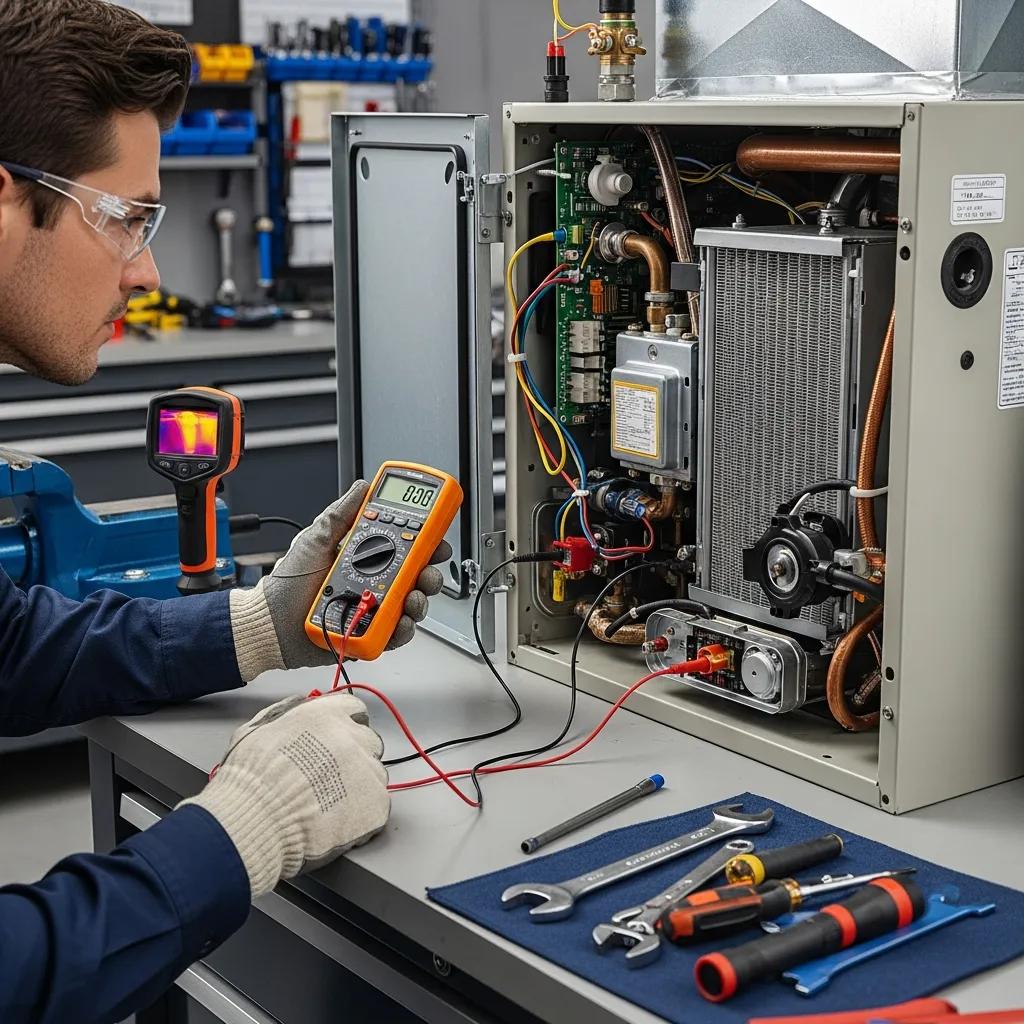
A professional tune-up goes deeper than DIY checks to ensure safe combustion, efficient operation, and reliable performance all winter. Technicians inspect critical components—heat exchanger condition, gas pressure and burner performance, ignition sequence, and blower operation—using diagnostic tools and experience to spot subtle problems a visual check can miss. Professional service helps reduce fuel use by optimizing combustion and airflow, cuts emergency repairs through early detection, and provides documented records that support warranties and resale value. For homeowners, a tune-up is an investment in safety, comfort, and long-term cost savings.
The table below sums up the key inspection items a technician typically covers and why each one matters. It shows how professional service complements your DIY work and handles risks you shouldn’t try alone.
| Component | What a Technician Checks | Why It Matters |
|---|---|---|
| Heat exchanger | Cracks, corrosion, proper sealing | Prevents carbon monoxide leaks and unsafe combustion |
| Burners & ignition | Flame pattern and ignition timing | Ensures efficient combustion and reliable starts |
| Gas connections | Pressure tests and leak detection | Verifies safe fuel delivery and prevents leaks |
| Blower motor & belt | Motor amperage, lubrication, belt tension | Maintains airflow and prevents motor overload |
Technicians pair these checks with adjustments and safety tests to reduce both risk and operating costs.
Affordable Heat and Air is a local Gainesville, TX HVAC company offering full furnace tune-ups that include the inspection items above and 24-hour emergency service when urgent issues arise. Homeowners in Gainesville and nearby communities can schedule inspections that document findings and provide a prioritized repair list or recommended adjustments — helpful for warranty records and reliable winter performance. If you prefer a certified technician to handle safety-critical checks, local service is the practical next step.
What a professional furnace inspection includes
A typical professional inspection runs through a set sequence: combustion analysis to check burner efficiency, visual and pressure checks of gas fittings, heat exchanger inspection for cracks or corrosion, blower motor tests for amperage and lubrication needs, and thermostat calibration. Technicians also clean burners, remove dust from internal components, and verify venting and flue paths to ensure safe exhaust. Each task targets things that affect safety and efficiency—clean combustion surfaces transfer heat better, and secure gas connections prevent leaks—so the inspection reduces immediate hazards and long-term wear.
How professional maintenance improves energy efficiency and safety
Professional maintenance restores burner and heat-exchanger performance, optimizes airflow by cleaning components, and calibrates controls to cut unnecessary cycles. Cleaner combustion and correct gas pressure reduce wasted fuel and improve heat transfer, which typically lowers monthly bills. Safety gets a boost from targeted tests that find carbon monoxide risks, gas leaks, or venting problems before they become emergencies. Together, these fixes make the heating system safer, more reliable, and often measurably more efficient after service.
Why yearly furnace service matters for warranty and reliability
Annual service matters because many manufacturers and warranties expect documented routine maintenance to keep coverage valid. Regular service records help protect homeowners if a major component fails during the warranty period. Beyond warranties, yearly inspections create a history technicians use to spot trends — like rising motor current or gradual corrosion — before those trends cause failures. Annual servicing also raises reliability during peak season, giving you confidence your heat will work when you need it most.
Energy-saving tips to keep your home warm and lower heating bills
Energy-saving steps complement furnace maintenance by cutting heat loss and using heat more efficiently. Combining thermostat scheduling, air sealing, better insulation, and attention to vent balance can significantly reduce run-time without hurting comfort. Many fixes are low-cost with fast payback — sealing gaps and tuning schedules often save more quickly than replacing parts. The tips below prioritize actions by cost and expected savings so you can plan improvements in stages.
Key moves include using a thermostat schedule that reduces heating during unoccupied hours, sealing drafts around windows and doors, upgrading attic insulation where it matters most, and ensuring vents are balanced so the system doesn’t overwork. These steps cut furnace load and make indoor temperatures more consistent. If you use a smart thermostat, remote control and adaptive schedules further reduce waste and let you heat only occupied areas.
- Use setback scheduling: Lower the temperature during unoccupied hours to save energy.
- Seal drafts: Weatherstrip doors and caulk window frames to stop heat loss.
- Insulate key areas: Start with the attic and crawlspace for the biggest impact.
Combine these improvements with regular maintenance for the greatest effect — a well-sealed home lets your furnace hold comfort with less runtime.
How smart thermostats optimize winter heating
Smart thermostats can learn your routine, allow remote control, and use adaptive setbacks that save energy while keeping you comfortable. They work with zoning to heat occupied areas and can preheat rooms just before you return to avoid long high setpoints. Usage reports and remote diagnostics reveal efficiency opportunities. If wiring or compatibility is a question, a technician can advise and install the thermostat so it plays nicely with your system.
Why sealing air leaks and proper insulation matter
Sealing leaks and adding insulation reduce heat loss through windows, doors, attic hatches, and recessed lighting — which lowers furnace runtime and trims bills. A tighter building envelope keeps warm air inside and limits drafts that force the furnace to cycle more. Start with a simple draft check and prioritize attic and duct insulation where losses are typically greatest. For larger upgrades, consult a contractor to evaluate R-values and air-sealing strategies suited to your climate.
Frequently Asked Questions
What should I do if my furnace is making unusual noises?
Unusual sounds like banging, grinding, or squealing deserve attention. Some noises point to minor issues, like a loose panel, while grinding or high-pitched squeals can mean a component is failing. If noises are persistent or alarming, turn the furnace off and call a professional for a full inspection. Note the sound type and when it happens — that helps the technician diagnose the issue faster.
How often should I replace my furnace filter?
Replace most furnace filters every 1 to 3 months, depending on household size, pets, and local dust. A clean filter maintains airflow and system efficiency by keeping dust out of components. If you have pets or live in a dusty area, check the filter monthly and replace as needed. Regular filter changes improve indoor air and help your furnace last longer.
What are the signs that my furnace needs professional maintenance?
Look for inconsistent heating, strange noises, higher energy bills, and frequent on/off cycling. A yellow pilot light, burning smells, or a carbon monoxide alarm are urgent signs — call a technician right away. Regular professional maintenance keeps your furnace safe and efficient, soschedule service if you notice any of these symptoms.
Can I perform my own furnace maintenance?
Yes — homeowners can do basic maintenance like replacing filters, testing the thermostat, and clearing vents. Those tasks help efficiency and spot early issues. But for complex checks such as the heat exchanger or gas lines, hire a qualified HVAC technician. Combine DIY care with scheduled professional tune-ups for the best results.
How can I improve my furnace’s energy efficiency?
Start by sealing drafts, upgrading insulation, and using a programmable or smart thermostat to optimize schedules. Regular maintenance — cleaning burners and replacing filters — also helps. A smart thermostat that learns your habits and adjusts heat can further cut energy use while keeping your home comfortable.
Conclusion
Getting your furnace ready for winter protects your family, comfort, and budget. Follow a clear maintenance checklist, perform basic DIY checks, and schedule a professional inspection to reduce energy costs and extend equipment life. Don’t wait for the first cold snap — take action now to make sure your furnace is ready.Contact Affordable Heat and Air today to schedule your furnace tune-up and enjoy a safer, warmer season.